
The first design decision
isn't visual.
Deciding what deserves attention. What can wait. What never needed a screen in the first place.


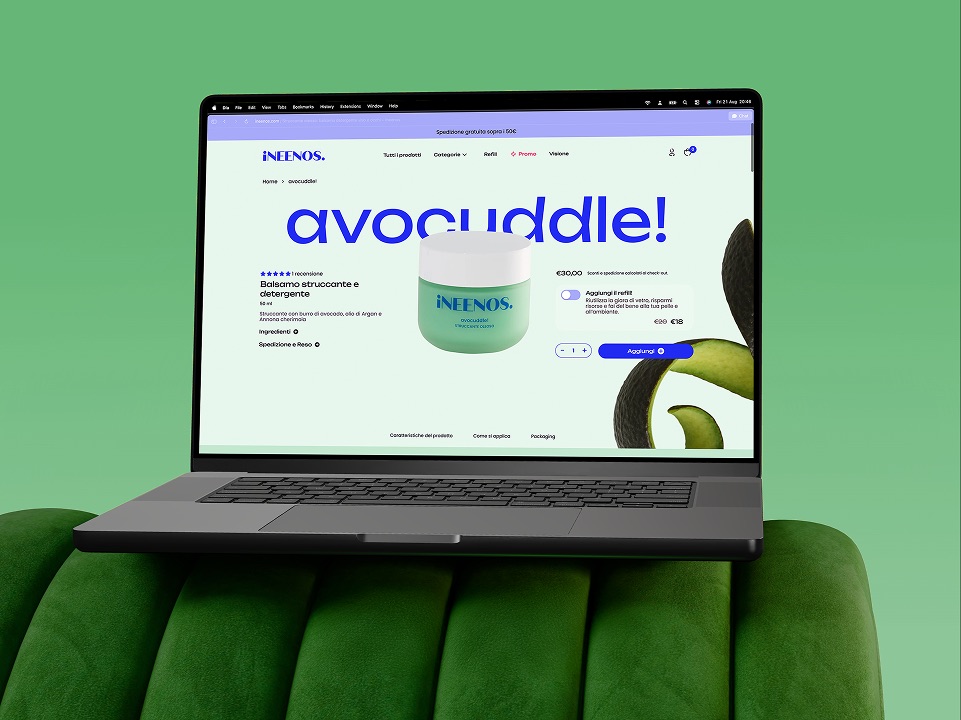
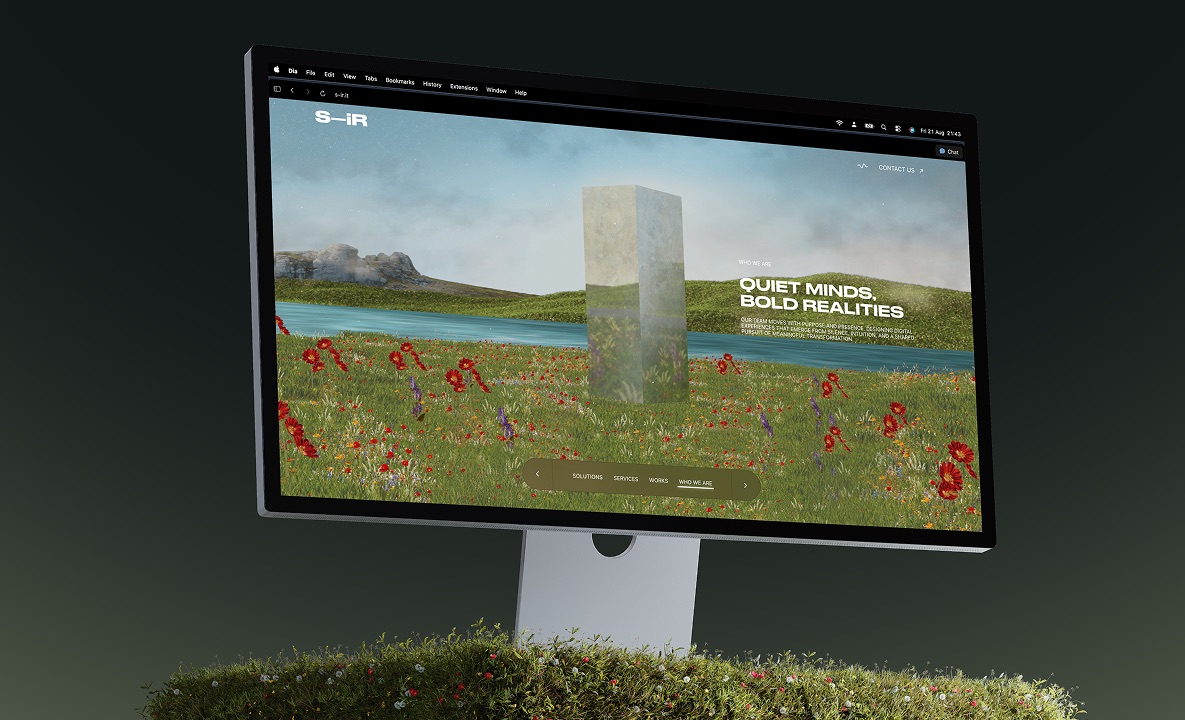
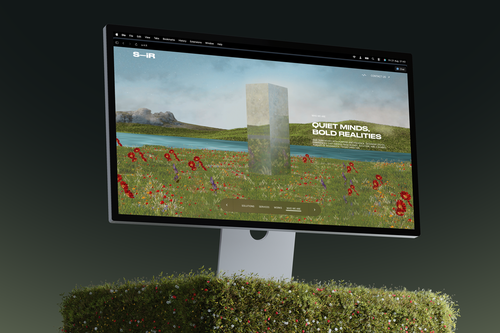
Selected Work
Each project began with a context: the market, and the behavior already in motion, before a single screen got drawn.
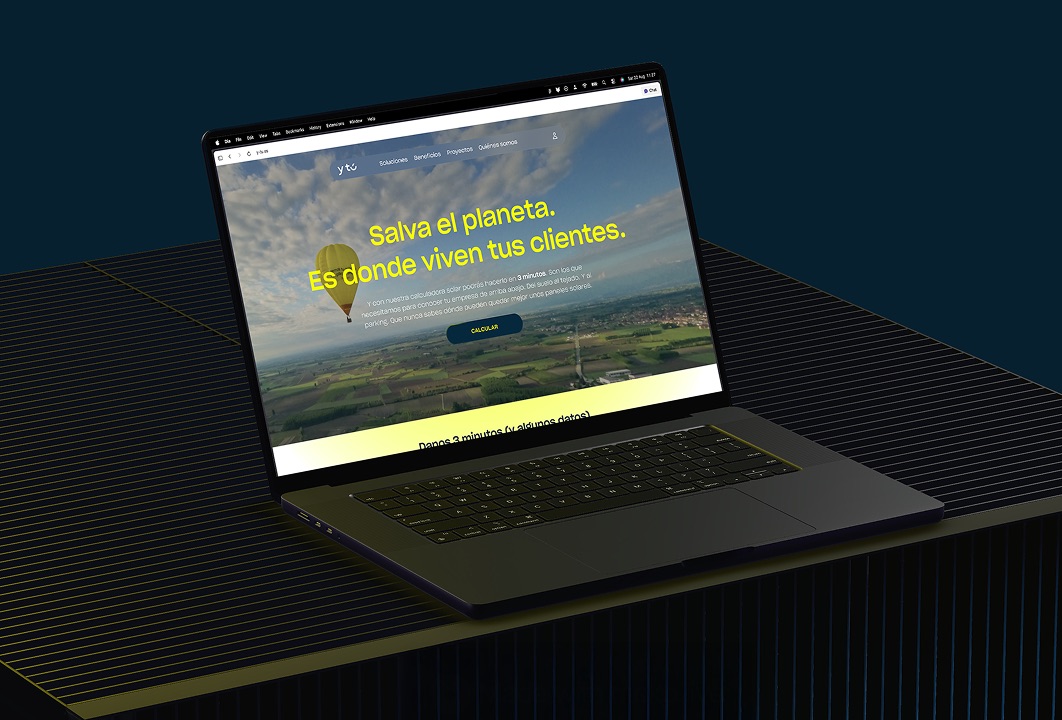
View all workEssilor Luxottica
A corporate digital presence for a merger of equals, where the design problem was authority without erasure.
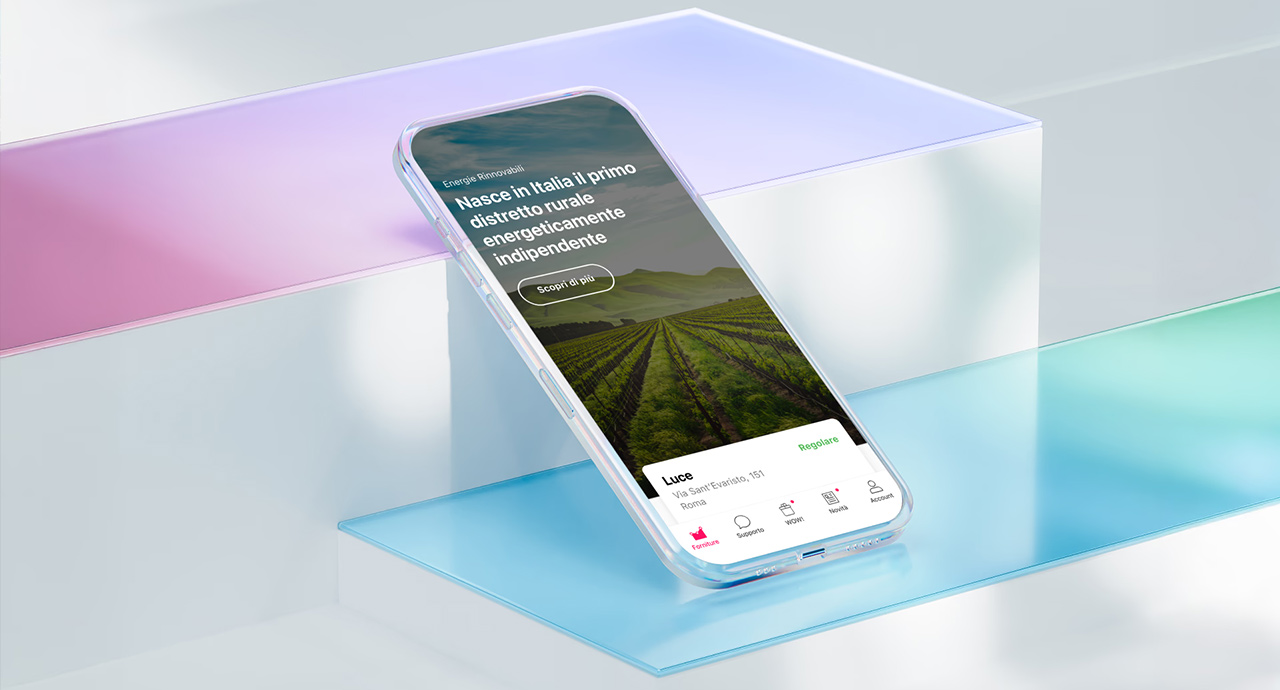
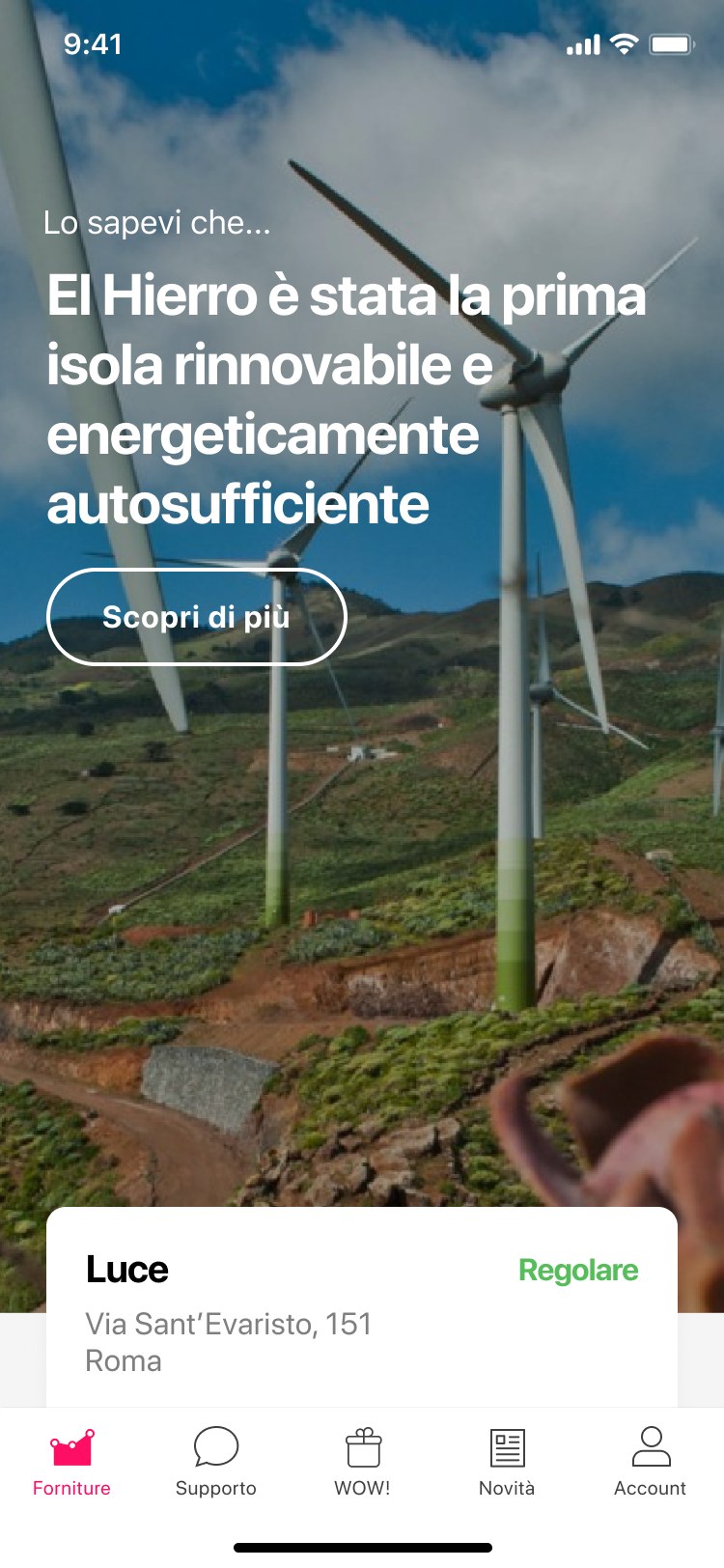
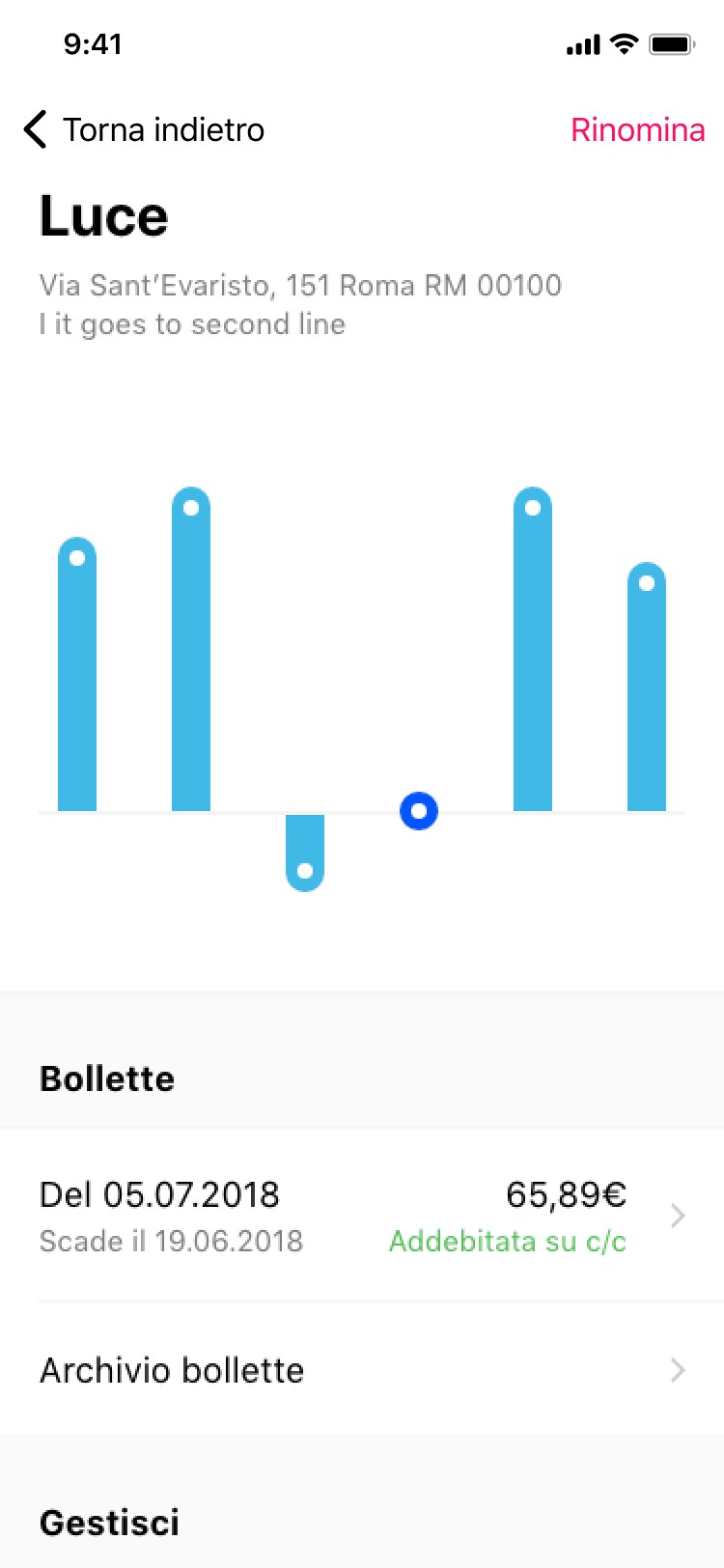
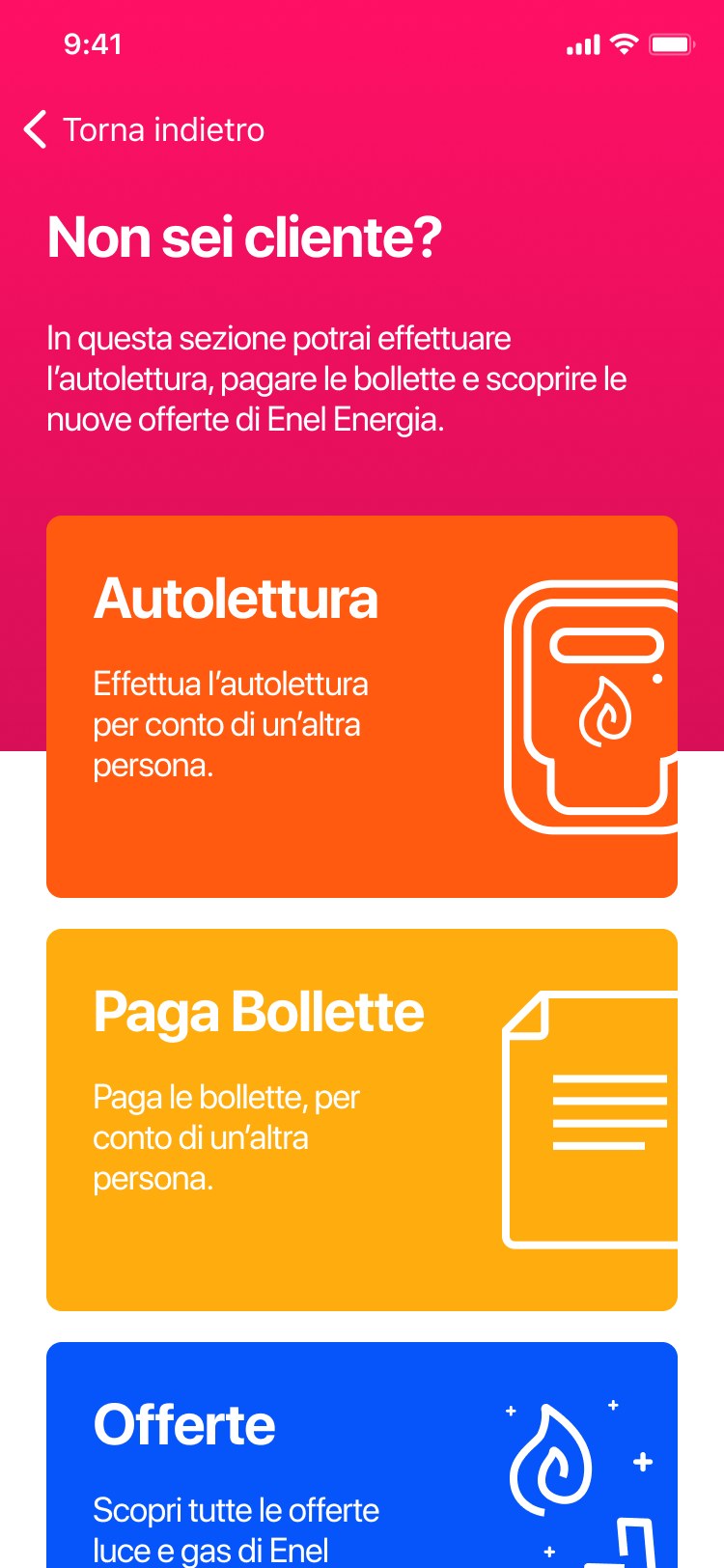
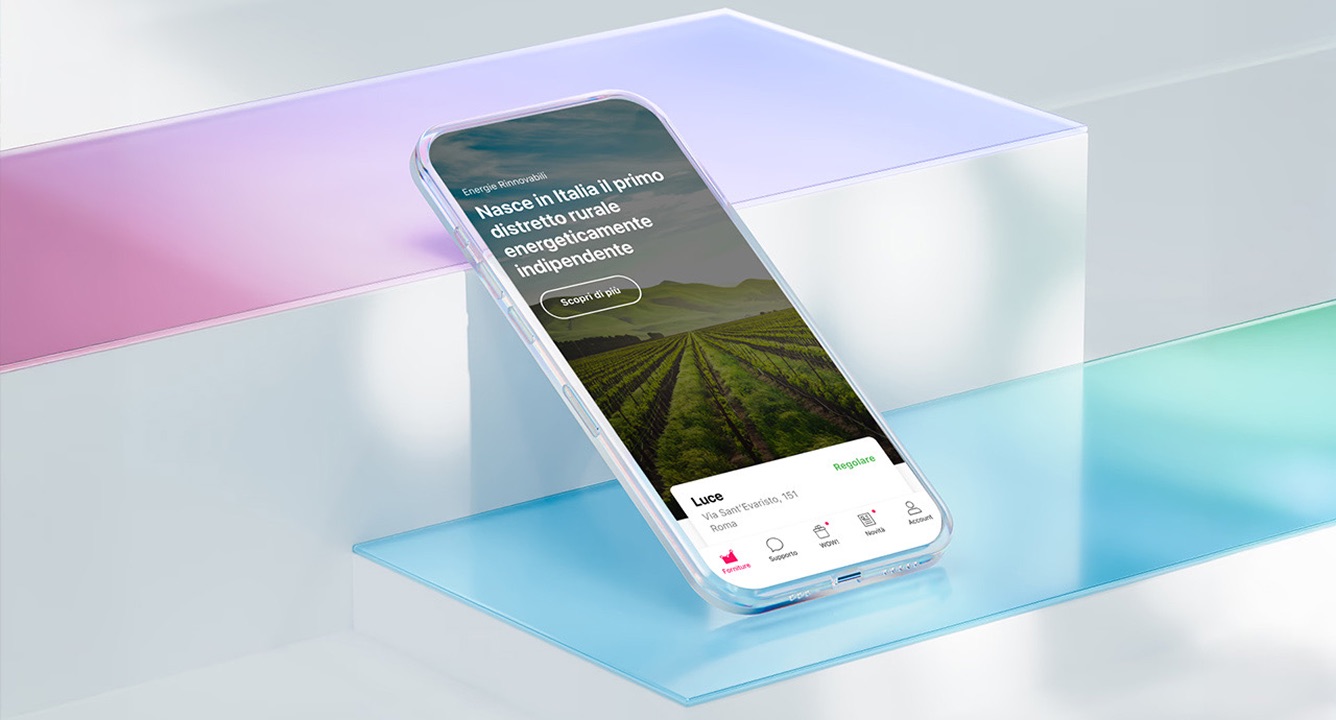
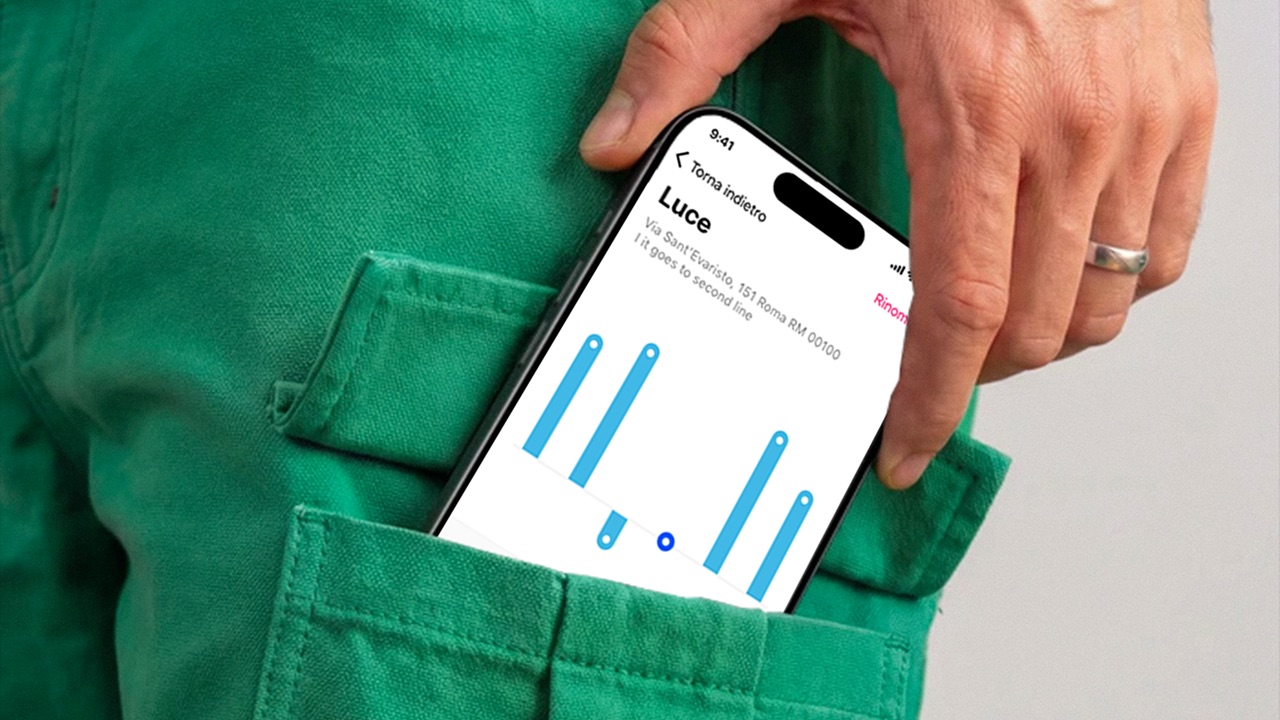
Enel Energia App
A utility app redesign for one of Europe's largest energy providers, where the real constraint was the gap between regulation and understanding.

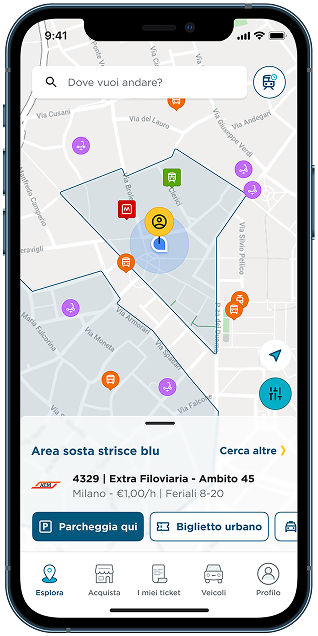
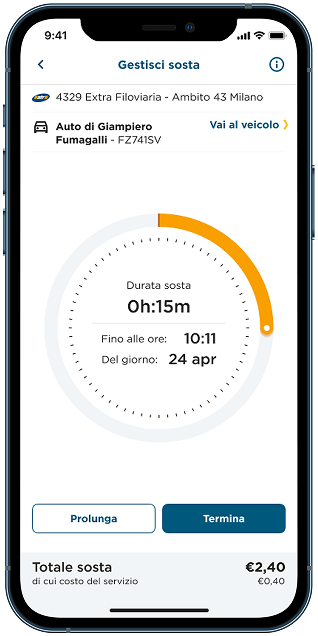
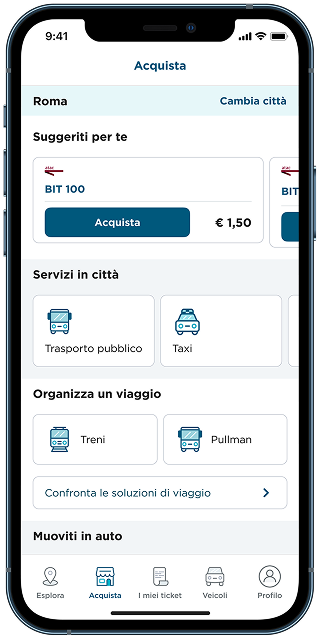
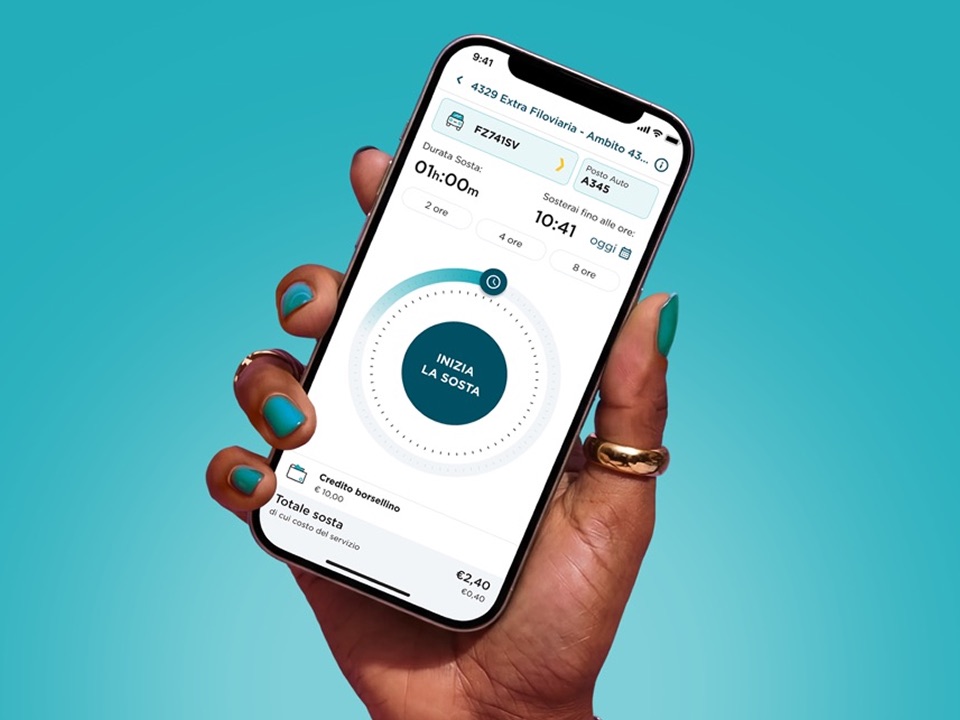
Mooney Go
Mobility for Italy, rebuilt around a merger. The real constraint wasn't the interface: it was the habits users already trusted.
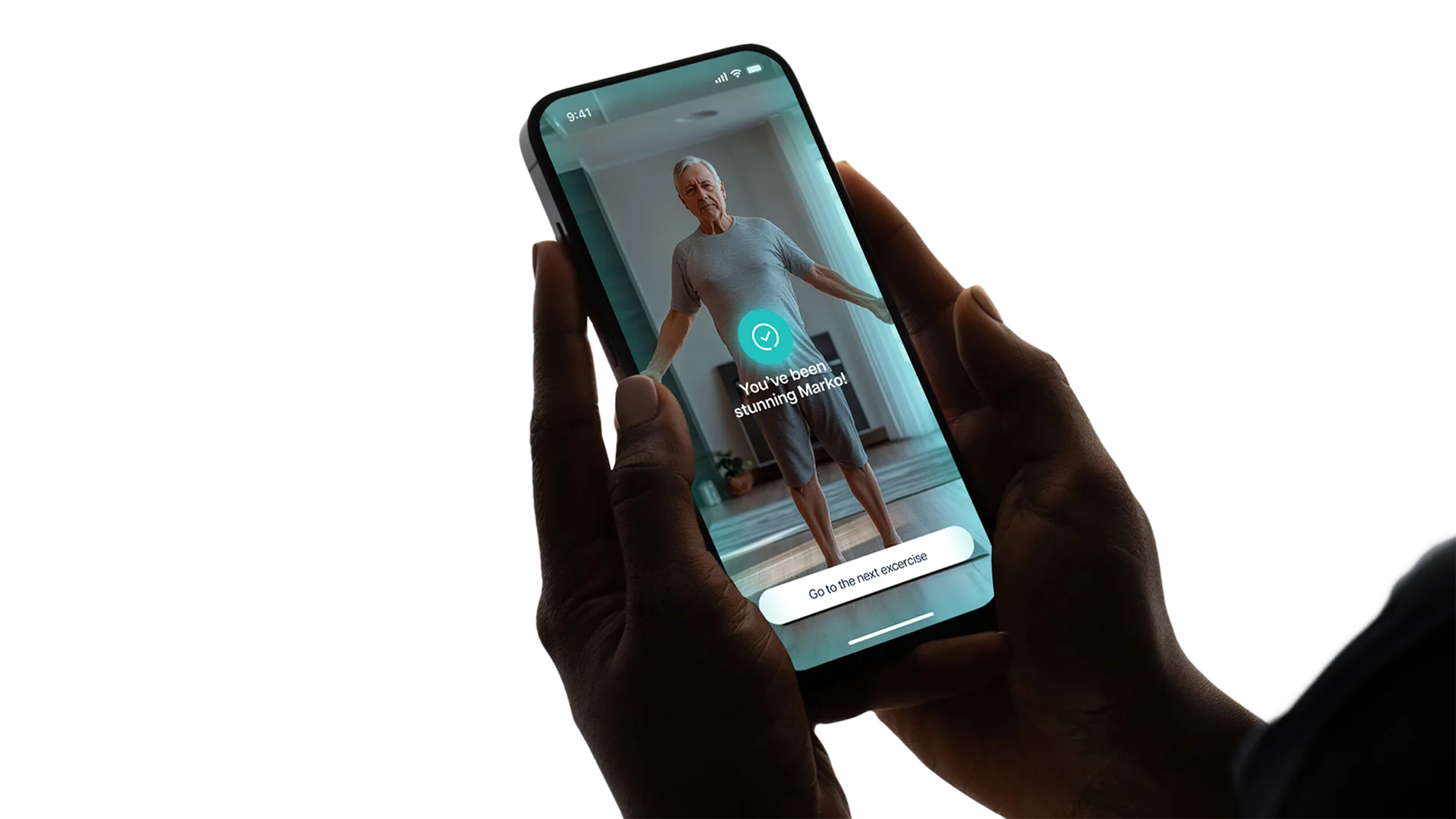
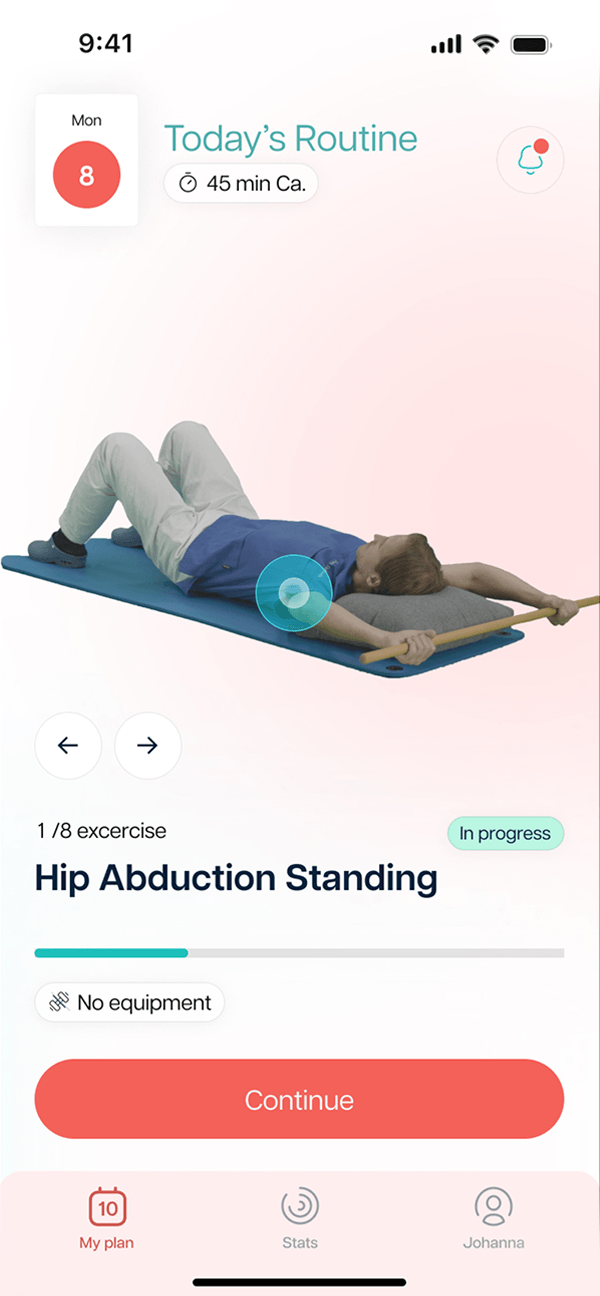
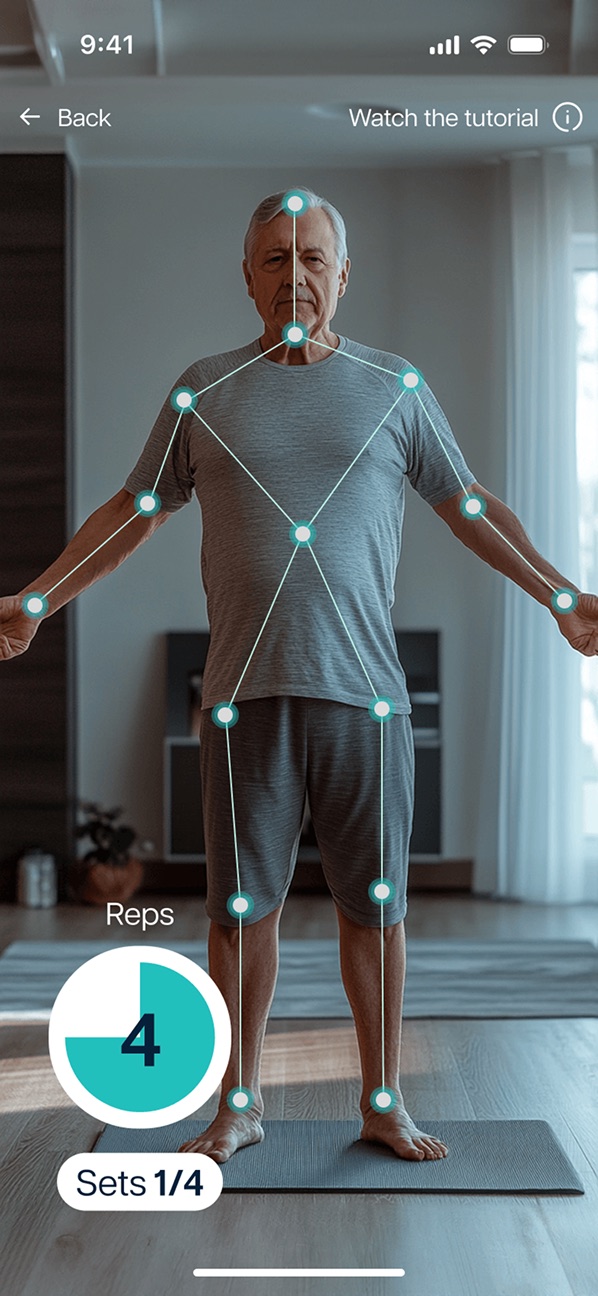
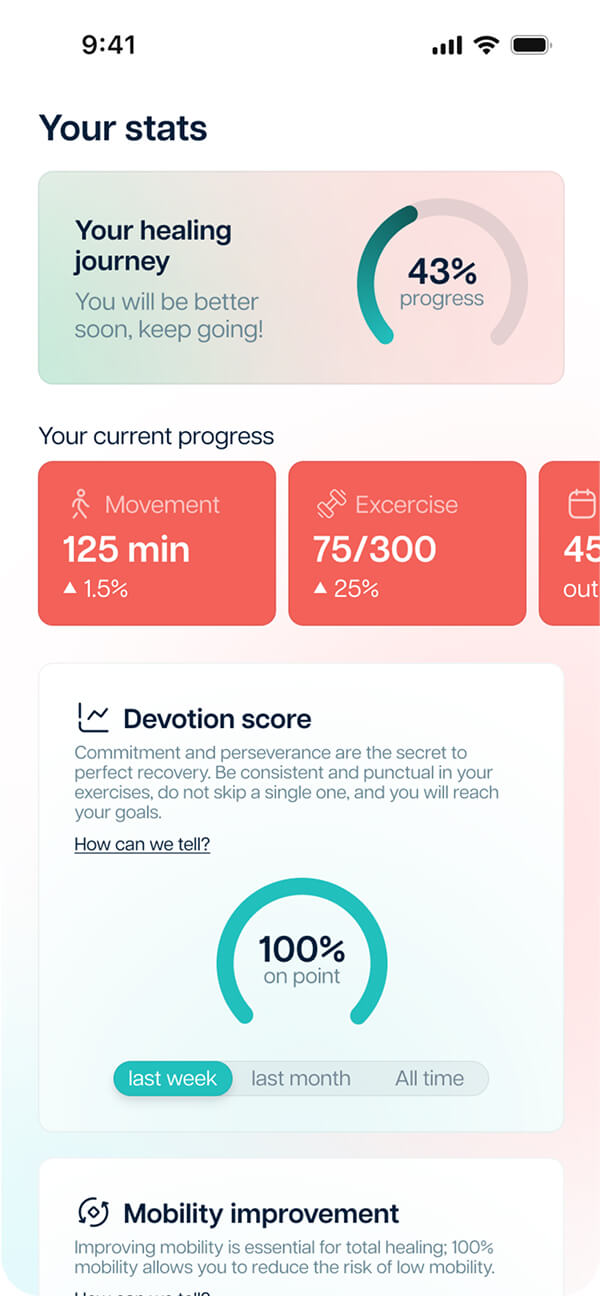
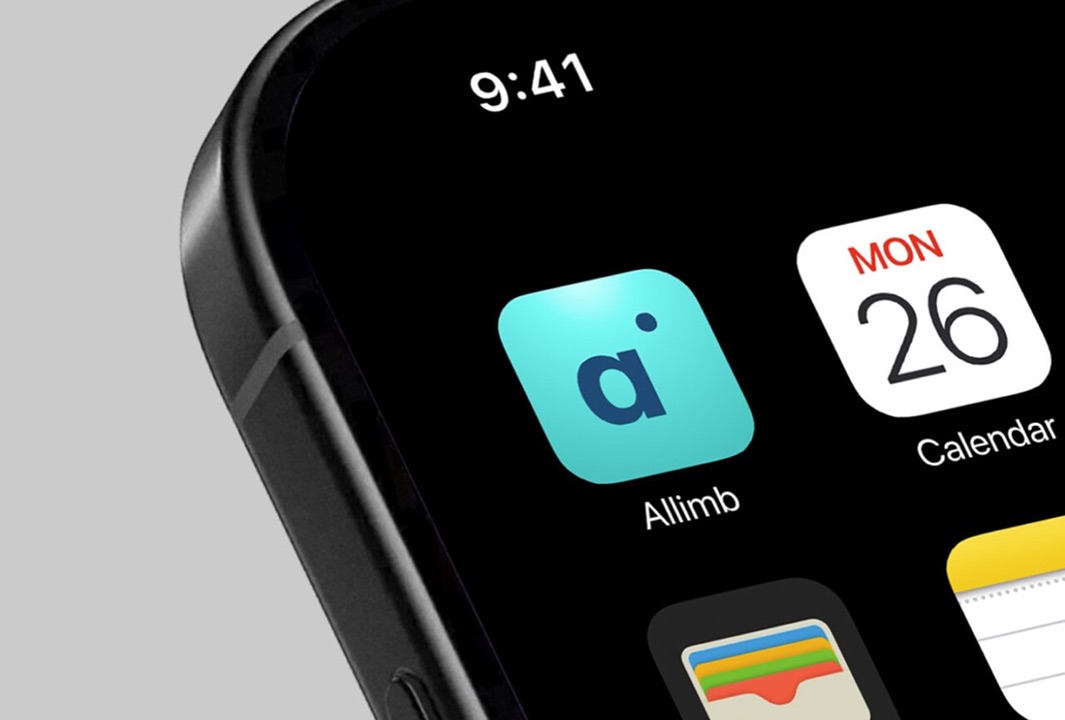
Allimb
An AI-driven physiotherapy platform, designed for two users with opposite mental models inside one system.
Read. Shape. Adapt.
Understand the context.
The market, and the incentives already shaping the decision before design enters the room.
Design the response.
Products, brands, and experiences, built around what the context demands.
Adapt with the context.
Good work keeps responding long after launch, as the context continues to evolve.
Where I usually come in.
Frequently
asked.
Common questions about scope, process, and how context shapes an engagement. Don't see yours? Reach out directly.
Brand identity, product design, and design systems, all built around the same framework: Read, Shape, and Adapt. It starts by reading the market and the constraints already at play, before anything gets designed. From there, the product, brand, or system gets shaped around what was found. Then, as the context shifts, the response adapts to match it.
Across industries: energy (Enel Energia, Eni Enjoy, Eni Gas e Luce), mobility (TelepassPay, MooneyGo, Locauto Rent, SEA Aeroporti), healthcare (Roche, EssilorLuxottica), finance (BNL, Opyn), gaming and entertainment (Electronic Arts), sports and wellness (Technogym), and industrial (Würth, The Italian Sea Group). Different industries bring different constraints, regulations, audiences, and expectations. The approach stays the same: understand the context, design the response, and adapt it as things evolve.
It starts with a message, through the or by . That's usually followed by a short discovery call to talk through the situation: what's driving the project, who it's for, and what's already been tried. From there, the context gets defined properly (the constraints, the timeline, what success looks like), and that becomes the basis for a proposal outlining scope, approach, and cost. Nothing gets designed before that context is clear.
Both, and the thinking behind them doesn't change based on the deliverable. A product, a brand identity, a design system, or a digital experience all start the same way: understanding the context before deciding what to design. What changes is the output, an app, a visual identity, a component library, a website. The process that gets there stays the same.
Design decisions start before anything visual gets made. The interface is just where the thinking becomes visible. Understanding the context (the market, the constraints already in motion) comes before any screen or system gets designed. That ordering is the actual differentiator: the value sits in making better decisions about what's worth designing in the first place. AI made execution cheap and fast. Anyone can generate a screen or a layout in seconds. Judgment is what decides whether it should exist at all.
Let's work together
Let's find the real problem
together.
Whether it's a product, a brand, or something that doesn't have a name yet. Send me the context and we'll work out what it needs.